

What comes to your mind when you think of AI – a cool new feature? AI learning assistants to help students and teachers, or a lever that can cut thousands of dollars in operating costs while generating new revenue streams? Most publishers focus only on enhancing learning outcomes, failing to account for the potential of AI to maximize operational ROI. It is time to acknowledge the role of AI in K-12 publishing as a cost saver and growth enabler.
The Cost Problem Publishers Face Today
One of the biggest challenges in the K-12 publishing industry is improving the utilization of its digital products. While you create exceptional educational content, many intended users never get to it. Insufficient usage and inadequate data often skew your understanding of the impact and efficacy of your learning materials.
The real issue arises much before learning begins. Many users take longer to understand digital learning tools. This leads to a high volume of early-stage support tickets. For instance, tickets are raised for login issues, finding resources, queries regarding assignments, submissions, etc. This overwhelms manual support teams at the beginning of the school year, affecting your customer service quality. Human-led support, while necessary, has several limitations. It does not effectively scale across districts. Plus, humans can remember only so much. The time to get back to users after checking manuals causes delays in resolution and customer dissatisfaction.
How AI Assistants Improve Platform Adoption & Engagement
AI learning assistants can prove to be gamechangers for platform adoption. They move beyond simple product features to become fundamental drivers of customer success and efficiency. These assistants instantly resolve common issues to remove the first-time use friction.
Cutting-edge AI assistants, such as MagicBox’s KEA integrate securely with your LMS or platform using APIs and LTI. This takes away the administrative overhead of managing, formatting, updating, and synchronizing educational content.
AI assistants double up as on-platform guides that help teachers discover existing and new features, leading to greater platform utilization. This keeps users engaged on the platform, preventing them from holding long calls or seeking help externally. This seamless, personalized experience builds confidence, which directly leads to repeat usage and higher rates of platform adoption across schools and districts.
How AI Learning Assistants Reduce Support Load
K-12 publishing defaults to using AI learning assistants to only improve learning experiences. However, these assistants can significantly boost the productivity of your support team and lower the turnaround time for customer queries as well.
AI chatbots instantly answer repetitive questions. Imagine a student trying to locate their assignments section. A chatbot can answer the question, “How can I find my assignments,” through a detailed navigation video or guided live support, while also explaining brand policies and use regulations.
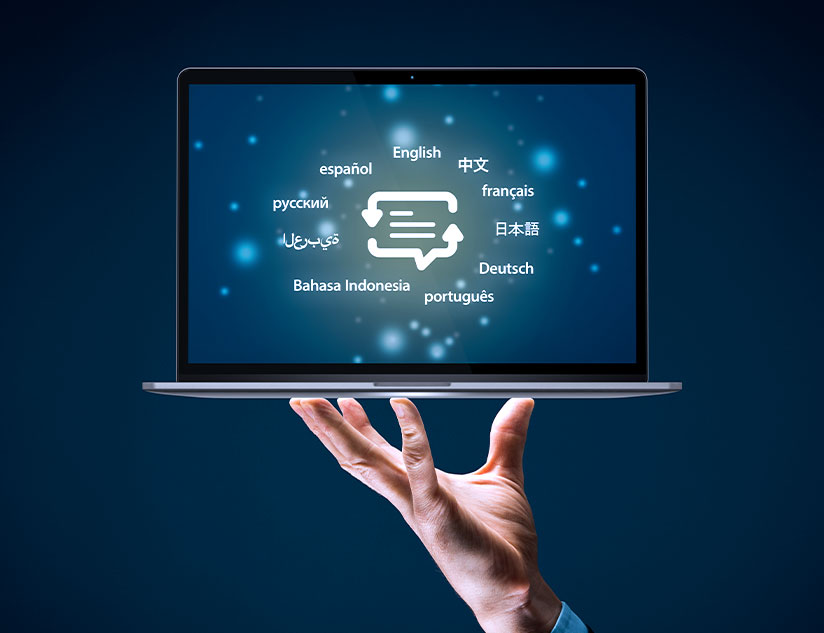
A tactfully designed AI learning assistant works as an initial POC for users. One that is available anywhere, every time, and offers tailored solutions. Think answers in the user’s preferred language, knowing in advance whether they’d prefer videos or a step-by-step instruction list. AI learning assistants pre-screen queries, resolve issues, and filter what needs to be escalated to human agents.
When the query reaches human agents, AI learning assistants ease their lives by summarizing customer conversations, suggesting solutions, and helping them locate the right resources, thereby saving time and effort. An AI learning assistant can also guide administrators through the platform’s workflows. Plus, these automate documentation, retrieval, and resource discovery, saving several hours of work. Research at MIT and Stanford concluded that AI chatbots can improve worker productivity by up to 14%.
Publishers Get Measurable Impact
AI learning assistants generate measurable ROI for the K-12 publishing industry. It is evident in several places:
- Lower support ticket volume translates into reduced staffing requirements while enhancing support quality.
- Shortened onboarding cycles accelerate customer activation. Thus, schools and teachers begin using the platform and see value early.
- Higher feature adoption means stronger justification for renewal, which directly supports your long-term revenue.
- Lower frustration and friction improve platform stickiness and build loyalty, lowering customer churn.
What Publishers Need to Enable ROI
You need an on-point strategy and execution to extract the maximum ROI from AI learning assistants. Start with improving core workflows through deep platform integration. This can be done without overhauling your K-12 publishing processes. You just need to embrace the new technology as a part of it. AI models assess existing data to generate robust learning analytics on question types and user behavior. This improves course and assessment authoring functions by enabling data-informed continuous product improvement.
AI learning assistants use well-defined escalation paths to human agents, logging the full conversation and context. This means no user frustration upon handoff. While you work on the flows, you need a strong infrastructure as well. Trust a multi-tenant structure to scale efficiently across districts. This facilitates easy rollout and customization across different districts or content licenses.
Read article : The AI Learning Assistant Is the New Classroom Search Engine
Maximize Your AI-Enablement ROI
AI assistants don’t just enhance learning; they quietly power adoption, retention, and operational efficiency. For publishers, the return isn’t loud, but it’s real and compounding. Ready to convert your AI investment into measurable business growth? Book a free demo with MagicBox.