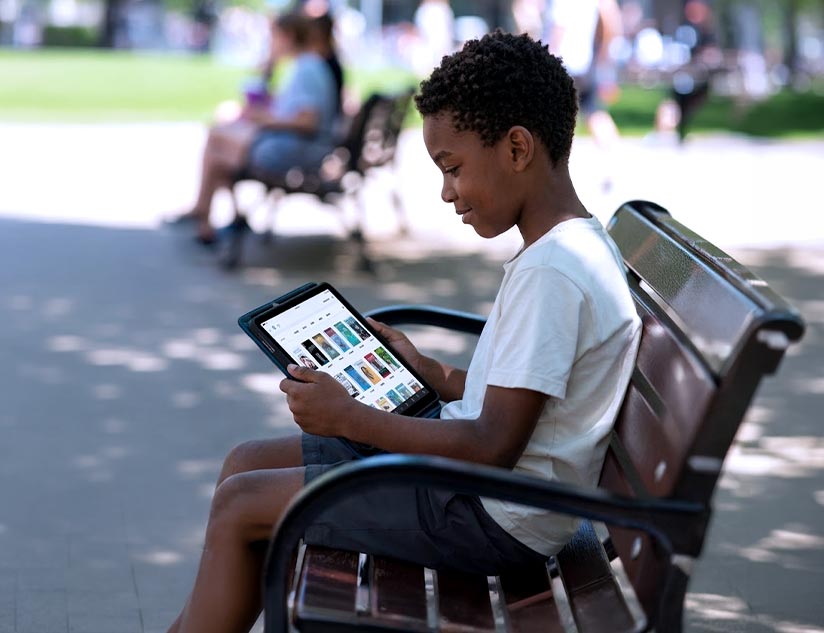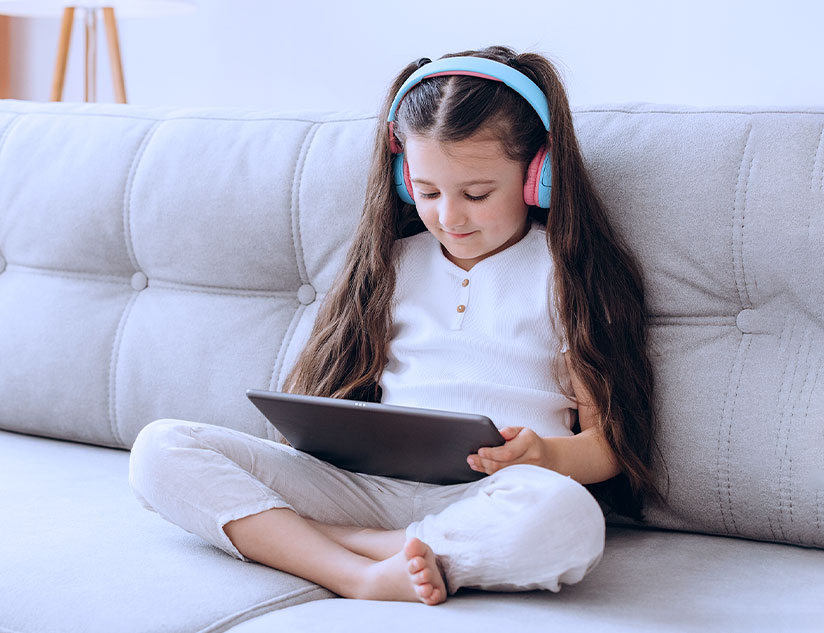


Digital classrooms are diverse. Students with different first languages, some with special needs, distinct cultures, and different socio-economic backgrounds all learn together. Some of them enter the classroom ready with foundational knowledge to take on advanced concepts, while others need to be paced. While the starting line and skill set of each learner differ, they are all expected to attain the same learning goals through standardized instruction. This is where education fails to meet the needs of learners.
But this isn’t an education problem; this is a product problem. Personalized learning platforms solve this by identifying the diverse needs and helping educators tailor pedagogy, learning paths, and assessments to individual learners. K-12 publishers who can deliver their content tailored to individual needs position themselves to win state adoptions. UNESCO repeatedly mentions the importance of equity to ensure that all learners get access to the necessary resources and quality education, regardless of their background and circumstances.
The Myth of the “Average” Student
Most K-12 content is made for the “average” student. But an average student doesn’t exist. So, it works for none of the learners. This means the ones who learn fast are bored, while those who learn at a slower pace are frustrated. So, typical content basically works for no one. Districts today are actively looking for accessible digital learning platforms that work for all students, regardless of their specific needs or gaps. They won’t accept anything that works for a specific group only.
What Differentiated Learning Actually Looks Like in Practice
Differentiated learning has several dimensions: content, instruction, assessments, and learning environment. K-12 publishers must move beyond buzzwords and switch to effective edtech tools for personalized learning that help them deliver personalized experiences across these dimensions:
Content refers to what students learn and how they access the material. Learning resources are designed in a manner to cater to all learning styles. This means they include multimedia options, articles, and interactive eBook platforms designed for K-12 learners. Visually impaired individuals can use audio assistance, while those with poor focus can be engaged via interactive activities.
Differentiation in instruction means delivering content in a manner that every student can make sense of it. All students work on the same skill but at different levels of complexity. This requires building modular, reusable content. Personalized learning solutions automatically adapt the learning paths and instructional mechanisms to individual needs.
Differentiated assessments mean doing away with one-size-fits-all question sets. AI-powered course and assessment authoring platforms match students’ strengths and learning styles to specific types of assessments that drive them further toward their learning goals. AI-powered personalized learning enables skill mastery to be tested in different ways. For instance, for a science concept, some can write a detailed process, others create presentations, while some record podcasts, and yet another group builds models.
The learning environment in digital learning ecosystems is usually more controlled by individuals. This means educators allow students to make errors and ask questions without judgment. Human judgment can be eliminated through personalized learning platforms with powerful AI learning assistants, such as KEA. They create safe spaces for students to ask questions as they arise.
Also Read: EdTech for Digital Personalised Learning
Learning Design for Diverse Learners: Stronger Products
Learning differentiation is more than a compliance checkbox. It works as a competitive advantage for K-12 publishers. Here’s how:
- WCAG 2.1 accessibility support widens the addressable market.
- Multi-device, offline-first delivery reaches under-resourced classrooms.
- K-12 personalized learning platforms designed for inclusive learning are loved by mainstream users as well.
Immersive Reading: When Engagement Becomes an Outcome
K-12 content distribution platforms that offer immersive experiences improve reading comprehension and sustain attention for longer. Engagement metrics do not serve as evidence of impact. Features, such as simultaneous multi-resource interaction, annotations, audio support, and offline access on an eReader, facilitate anytime, anywhere education across learning styles. Highly customizable learning tools make for a stickier product. High real engagement turns into evidence of impact, which improves renewal rates.
How Analytics Close the Loop
Publishers can’t improve what they can’t see. Personalized learning platforms with integrated learning analytics uncover:
- Which students are struggling with what content
- How do different learner segments interact with the material
- Where drop-off happens, and what to fix in the next edition.
AI in personalized learning uses data from a one-time publication and turns your product into a continuously improving one.
Personalized Learning Platforms as a Competitive Advantage
The starting line will never be equal. But personalized learning platforms can bring the finish line within reach for every student if K-12 publishers give them the right edtech tools for personalized learning. Personalized learning built for schools is not about more content; it’s about building smarter personalized learning platforms that help deliver differentiated education. This just doesn’t just help students, but also publishers to build products that districts renew every year. Schedule a demo with the MagicBox experts to learn how personalized learning platforms can change your district proposals.