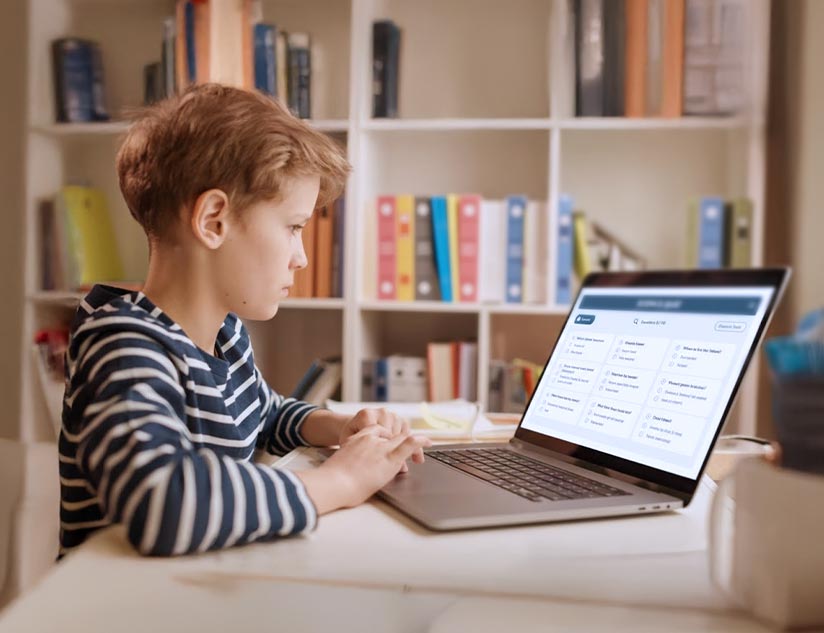


A PwC study found that 73% of consumers prioritize experience over price and product quality. The report highlighted that exceptional experiences carry a price premium that benefits businesses. In the age of convenience and data-driven personalization, user experience is the competitive edge you need for your K-12 digital content distribution strategy. User experience has eclipsed the traditional competition based on features, tools, and volume in the digital learning ecosystem. The question is not how much more content you have, but how it is delivered via digital content distribution platforms. Read on to discover what experience-based competitive advantage means for K-12 publishing.
Why Experience Matters More Than Ever
In a world where 83% of learners are pleased by the sheer convenience of online learning, experiences become key to acquisition by default. Performance of the platform matters. A lot.
Top performance issues in online learning experiences include
- Long loading times
- Difficulty in discovering relevant resources
- Complex accessibility management
Intuitive access to learning materials across devices and LMSs is only a starting point. With thousands of tools available in an ever-so-interconnected digital learning ecosystem, users expect seamless navigation.
The visual design of the online learning content platform is a key factor in defining user experience. Cluttered, non-personalized dashboards are neither easy on the eye nor on the mind. They may overwhelm the user, undermining a learner’s motivation and engagement.
As digital learning penetrates deeper into the educational landscape, K-12 publishers’ responsibility transitions from mere education content delivery to enabling engaging learning experiences.
Content Distribution Platforms are the Real Differentiator
To stand out from the competition, publishers need to go beyond what is expected. Modern content distribution platforms:
Streamline Learning Delivery
These platforms elevate digital learning experiences through centralized content libraries and embedded AI-powered search. They leverage student behavior and preference data to create personalized learning journeys. Interactive content distribution instills a sense of being heard and considered among all user roles, students, teachers, and admin.
Manage Licensing and Permissions
Modern content distribution platforms that integrate with DRM systems allow administrators to safeguard intellectual property without negotiating accessibility. They offer role-based, time-bound access along with effortless renewal and role modifications.
Facilitate Engagement Monitoring
In-built learning analytics tools offer real-time insights into learner participation, time on task, completion rates, and discussion activity. Engagement metrics help content developers refine course materials and teachers identify students who need special attention. A responsive design that aligns with users’ needs and their devices stands out from the traditional one-size-fits-all learning experiences.
Enhancing Accessibility
Educational content delivery is useful only when users can navigate frictionlessly across resources and tools. Modern content distribution platforms integrate single sign-on to help ease learning continuity and elevate user experiences. Plus, features such as offline accessibility work great for students who learn on the go and those with unreliable internet access. Anytime/anywhere learning drives user engagement by designing learning delivery around learners.
Case in Point
Duolingo, the popular language learning app, leverages gamification to keep users engaged and active. While it uses a freemium model, the platform boasts about 103 million monthly active users, 32% of whom engage daily. The streak model works as a habit-building tool. With features, such as friend streaks and family plans, streak maintainers on the platform rose from 2022 to 2023 and then 2024.
Building a Publisher Brand Around Experience, Not Volume
K-12 digital publishing needs online learning content platforms that offer UX as a brand promise, not an add-on. From intuitive course material discovery to seamless accessibility and continued analytics-driven improvements, your digital learning platform can gain a competitive edge by offering experiences that stand out.
Distinguished Experiences: Redefining 50 Years of Legacy
A publisher with 50 years of presence in the learning space approached MagicBox to redefine K-12 learning experiences. We delivered a unified learning platform, with enhanced searchability from customized libraries, an adaptable eReader with online and offline access, single-sign-on-based navigation, and one-click publishing. The platform enhanced experiences across the learning value chain, including course authors, editors, publishers, teachers, and students. The solution increased demand among the publisher’s target audience. Dive deeper into the case study.
Read the blog : Are Content Distribution Platforms the New Curriculum Architects?
Redefining Competition Through Experience
The next big win for K-12 publishers isn’t producing more content—it’s delivering better experiences. The shift from delivering content to offering experiences requires robust, intelligent platforms. For K-12 publishers, the right digital content distribution platform works as an engine fueling competitiveness. Choosing the right platform can transform your digital learning content into a meaningful and lasting learning impact. MagicBox’s award-winning digital content distribution platform helps you scale effortlessly and securely. Its flexible licensing and subscription models allow administrators to exercise complete control over their intellectual property. Plus, centralized content management makes distribution, tracking, and updating possible in real-time. The platform integrates compliance accessibility standards and educational regulations, making learning inclusive for all students. Speak to the experts now to deliver next-level learning experiences to your customers.