

K-12 learning loss is the unseen gap holding students back. According to the third iteration of the Education Recovery Scorecard, prepared by the Center for Education Policy Research at Harvard, an average student today is at least 6 months behind children in the same grade at the pre-pandemic levels. Almost half a decade after the pandemic, 94% of elementary and middle school students still study in districts that have failed to return math and reading skills to the pre-COVID levels.
Schools face the dual challenge of keeping pace with evolving educational standards while bringing students up to par with pre-pandemic knowledge levels. They are basically navigating a stormy ocean without a compass. This is where K-12 publishers play an instrumental role in creating learning ecosystems that bridge learning gaps, while also helping students move forward.
Personalized Content is the New Remediation
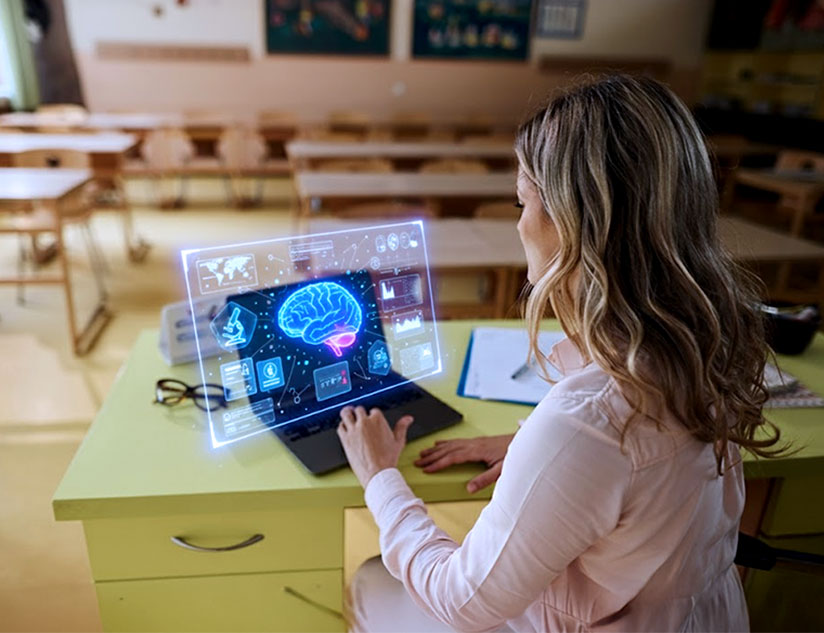
Not all students lack the skill and neither are all students at the same level. So, why stick to one-size-fits-all remediation? It is time to move remediation to personalized learning in K-12. Giving each student targeted digital learning content and activities adjusted to their proficiency level is critical to covering individual K-12 learning loss. Personalized learning in K-12 with targeted remediation prevents loss of time and effort for both students and teachers. Education that adjusts to learners’ needs can accelerate bridging learning gaps. AI-powered diagnostic assessments, for instance, can pinpoint the skill gaps and help teachers create individualized learning pathways. This ensures that each student gets only the content they need in order to master the next step. This saves time and keeps students motivated.
Scaffolded Learning Experiences
A Stanford study had predicted in 2022 that COVID-related K-12 learning loss could lead to up to a 6% loss in lifetime earnings. Its “simple and complete” solution to bridging the learning gap was to use “more effective teaching.” Scaffolded learning enables structured and personalized learning support for K-12 students. This involves using certain techniques.
Complex concepts, for instance, can be broken into small, structured units or bite-sized modules. They help students master a concept before moving to the next. This is like building a strong learning ladder. For any gaps, they can quickly visit the missing (skill/knowledge) module and catch up.
Formative assessments conduct short, frequent checks on learners’ skill and knowledge levels. They give students and teachers real-time feedback, which helps adjust learning pathways dynamically, without letting the gaps broaden.
Advanced content strategies for K-12 blend remediation with enrichment. This means that instead of just filling gaps, your digital learning content sparks interest and curiosity with innovative challenges and effective rewards.
Accessibility and Engagement: Anytime Anywhere Learning
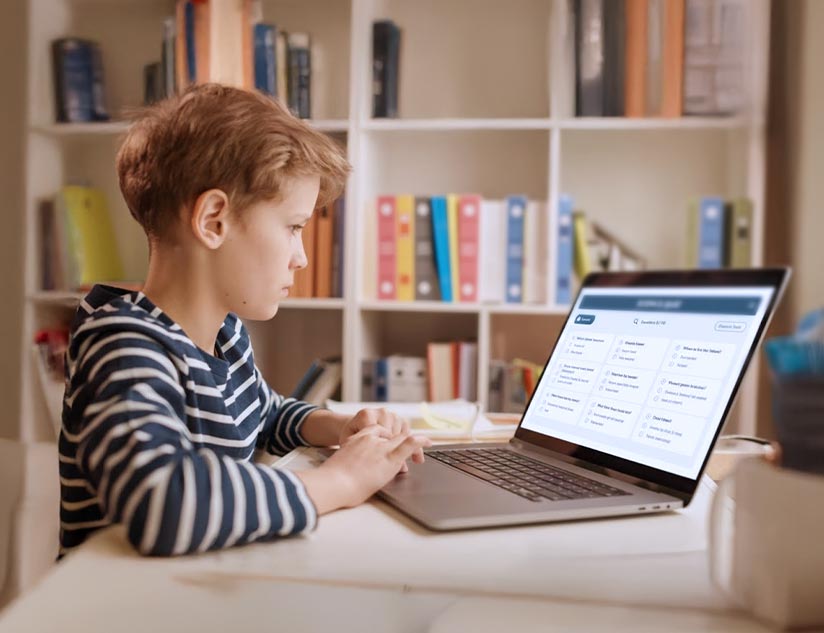
A key aspect of eliminating K-12 learning loss is ensuring that quality education is both accessible and engaging for students. Educational publishers must use a variety of content formats to achieve this. For instance, enrich learning experiences with interactive eBooks, gamified learning modules, and multimedia content. When students are engaged, they are more likely to succeed. Content strategies for K-12 should also revolve around inclusive design. Students with special learning needs must not be left behind. Text-to-audio, video captioning, and more can augment your learning materials. Another task is to make students’ engagement visible to teachers. Dedicated dashboards for teachers to track student engagement and learning outcomes can help them focus their time where it is needed the most.
Building Data-Driven Content Partnerships
All stakeholders in K-12 learning need insights. You already equip decision-makers with comprehensive learning analytics. How about employing them to guide your content strategies and decisions to recover K-12 learning loss? When data guides instruction, teaching shifts from generalized remediation to targeted support. By leveraging publisher platforms that provide learning analytics, districts can target specific deficits, ensuring students receive precisely the content needed to bridge gaps. This use of data to personalize learning pathways and ensure timely, efficient interventions can accelerate academic gains.
A US-based 2023 meta-analysis on data-backed interventions found that they significantly enhance learning outcomes. The research used real-time interactive quizzes in classrooms, and then offered the necessary remediation for those who answered incorrectly. Specifically, this study highlighted improvement in learning acquisition, which can directly translate into benefits when paired with content strategies targeted to bridge K-12 learning loss.
From Recovery to Reinvention
K-12 learning loss recovery is more than just catching up. It is reimagining pedagogy and its implementation in K-12 digital publishing. Publishers and educational technology providers for schools hold the key to transforming teaching and learning experiences. The onus to help schools and districts bridge learning gaps while driving students further toward global standards lies on K-12 publishers. To drive lasting gains, publishers must align digital learning content to student needs and real-time progress. Plus, they must make the progress visible to help drive curriculum planning and educational decisions. Speak with the experts at MagicBox to develop effective K-12 content strategies and access top-of-the-line content distribution technology to make quality learning accessible to all types of learners.